

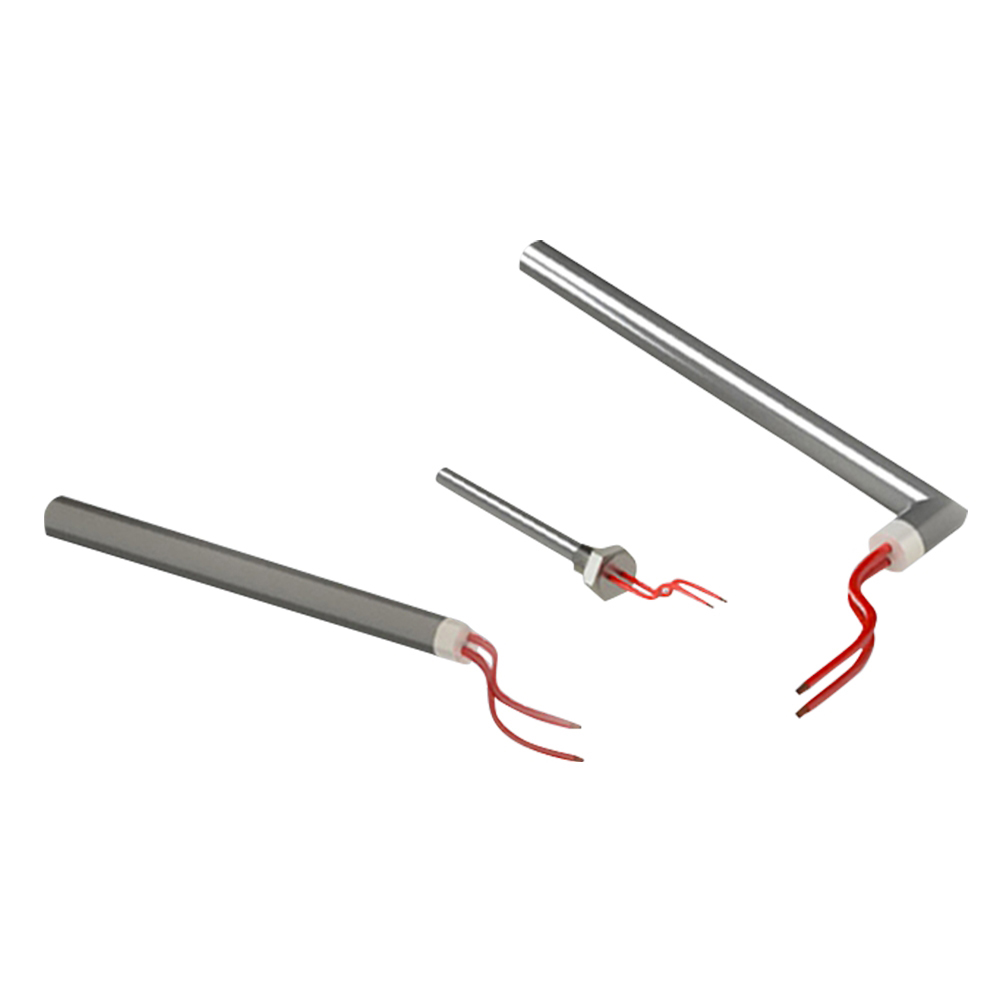
بخاری لوله ای تک سر یک راه حل گرمایشی همه کاره و کارآمد است که برای طیف گسترده ای از کاربردهای صن...
تولیدکنندگان المنت حرارتی برقی
-
-
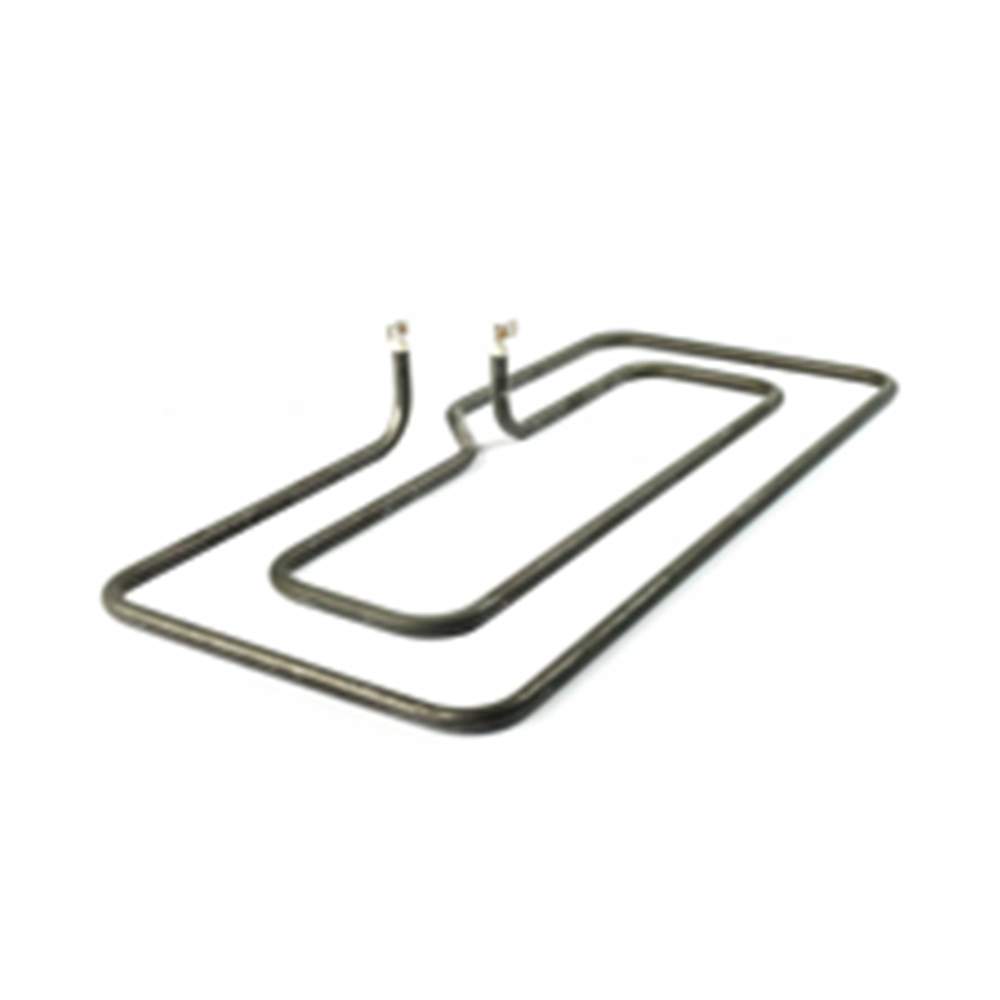 بخاری لوله ای صنعتی سنگین
بخاری لوله ای صنعتی Heavy Duty یک راه حل گرمایشی بادوام و همه کاره است که برای کاربردهای صنعتی با...
-
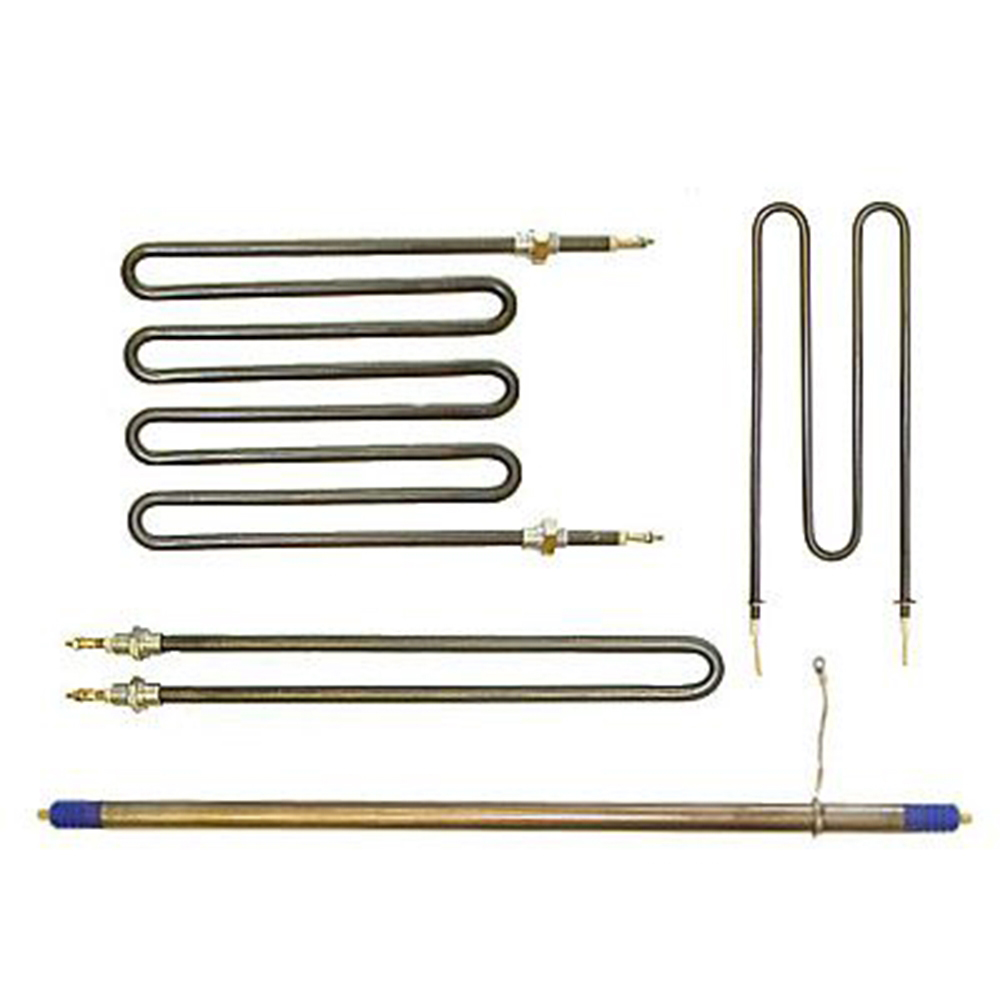 بخاری برقی صنعتی با دمای بالا
بخاری برقی صنعتی با دمای بالا یک راه حل قوی و قابل اعتماد است که برای کاربردهای گرمایش صنعتی با ت...
-
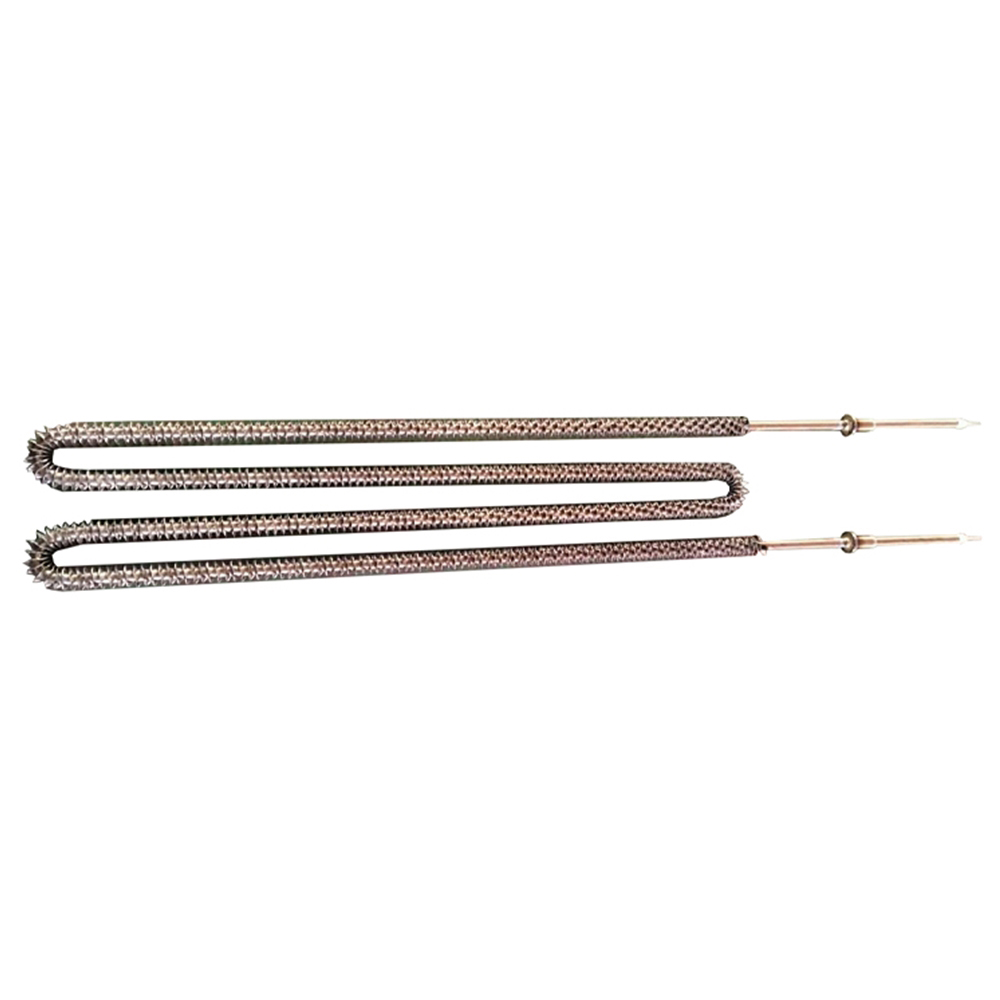 بخاری لوله ای آجدار لانگ لایف
بخاریهای لولهای آجدار راهحلهای گرمایشی پیشرفتهای هستند که برای عملکرد بهتر از بخاریهای لوله...
-
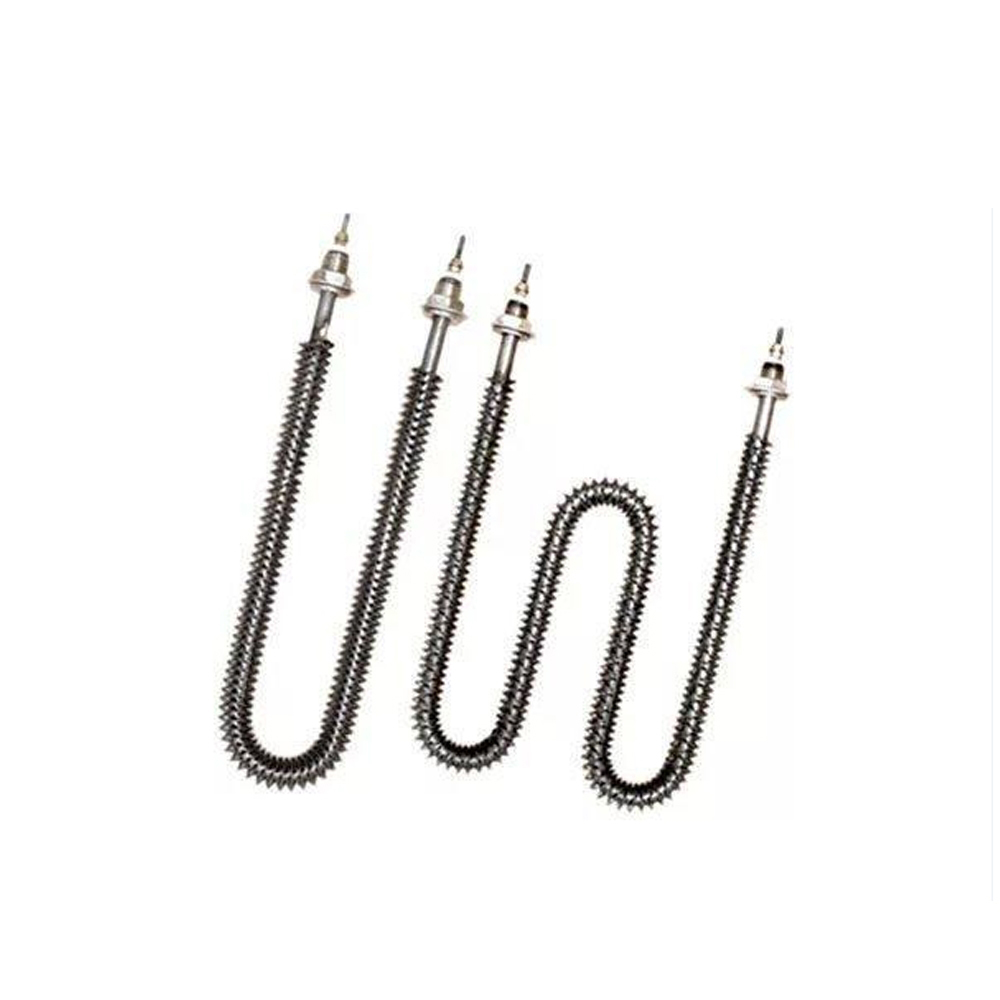 المنت حرارتی لوله ای آجدار با پره های فولادی گالوانیزه
المنت حرارتی لوله ای آجدار سفارشی یک راه حل گرمایشی بسیار همه کاره و بادوام است که برای گرم کردن ...
-
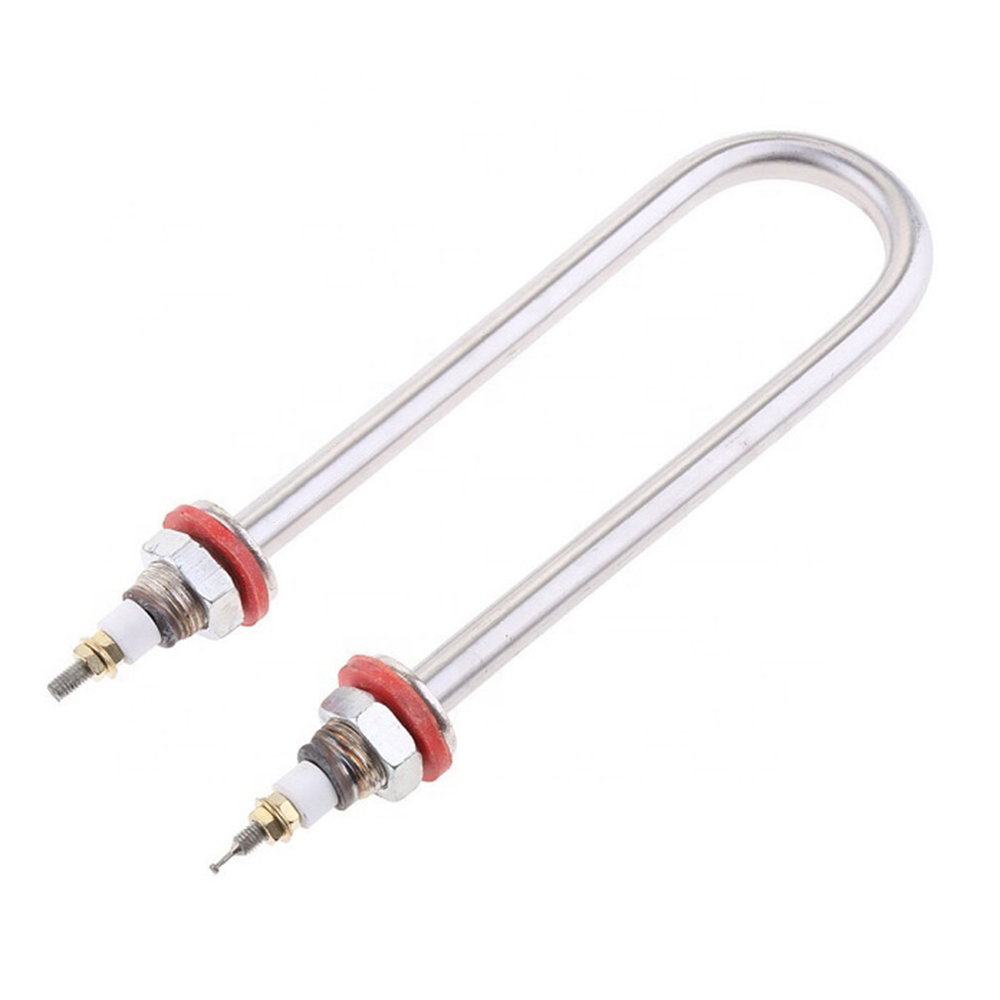 بخاری لوله ای صنعتی سایز کوچک
بخاری لوله ای صنعتی سایز کوچک یک راه حل گرمایشی فشرده و در عین حال قدرتمند است که برای تطبیق پذیر...
-
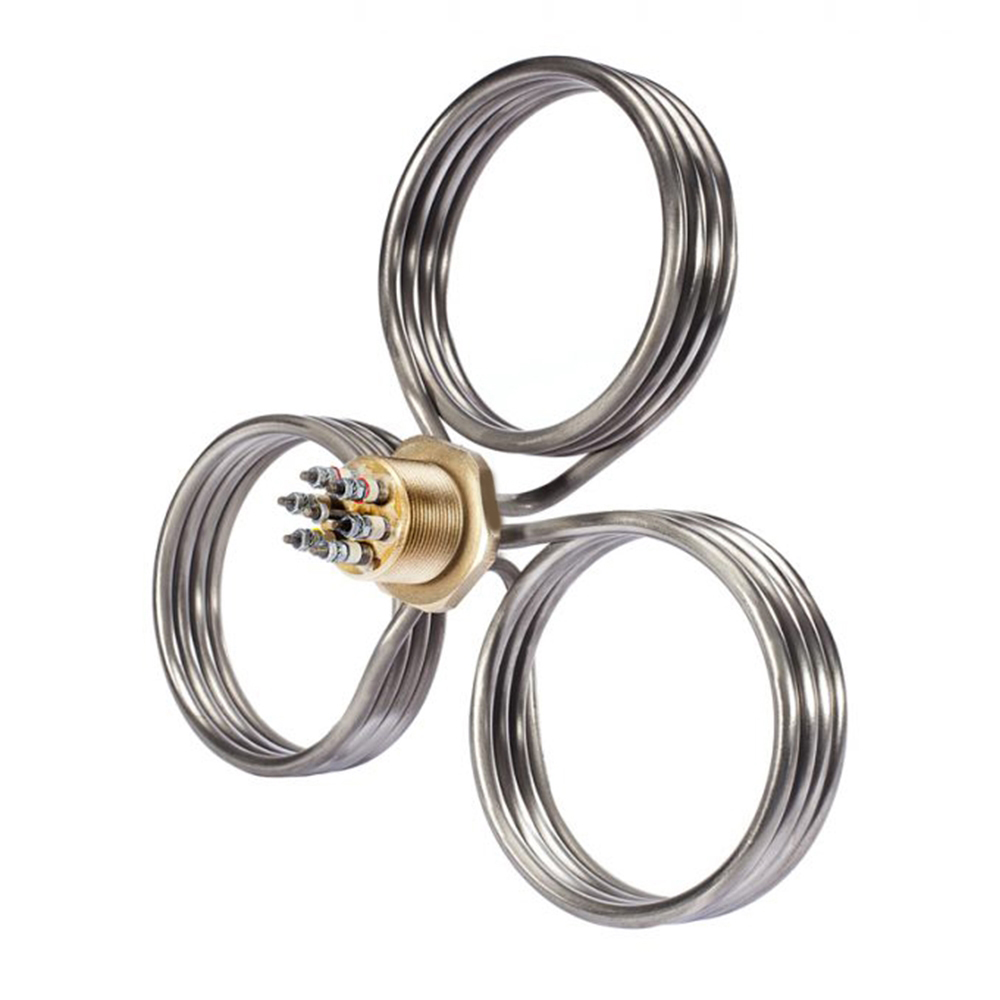 المان حرارتی لوله ای مارپیچی
المان حرارتی لولهای اسپیرال یک راهحل گرمایشی بسیار بادوام و همهکاره است که برای برآورده کردن ن...
عناصر گرمایشی اجزای اصلی سیستمهای گرمایش صنعتی و تجاری هستند که برای تبدیل انرژی الکتریکی به گرما کارآمد و قابل اطمینان طراحی شدهاند. این عناصر به طور گسترده در کاربردهایی مانند گرمایش فرآیند، سیستم های HVAC، گرمایش آب و تجهیزات صنعتی مورد استفاده قرار می گیرند و کنترل دقیق و ثابت دما را ارائه می دهند.
عناصر گرمایشی که از مواد با کارایی بالا مانند آلیاژهای نیکل کروم، فولاد ضد زنگ یا سرامیک ساخته شده اند، برای مقاومت در برابر دما، تراکم وات بالا و محیط های چالش برانگیز مهندسی شده اند. آنها در اشکال مختلف، از جمله طرح های لوله ای، کارتریجی، نواری و انعطاف پذیر، برای مطابقت با نیازهای کاربردی مختلف، در دسترس هستند.
عناصر گرمایش مدرن اغلب دارای ویژگی های پیشرفته ای مانند قابلیت گرمایش سریع، توزیع یکنواخت گرما و سنسورهای دمایی یکپارچه هستند که عملکرد و بهره وری انرژی را تضمین می کند. چه برای فرآیندهای صنعتی، لوازم مسکونی یا تجهیزات تخصصی، عناصر گرمایشی راه حل های بادوام و قابل تنظیم برای مدیریت حرارتی موثر ارائه می دهند.
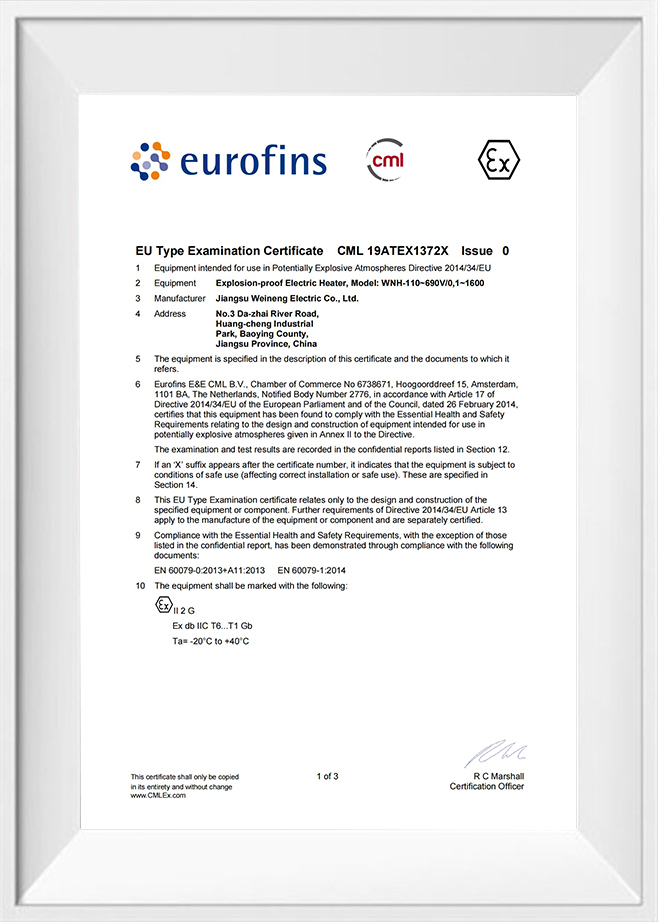
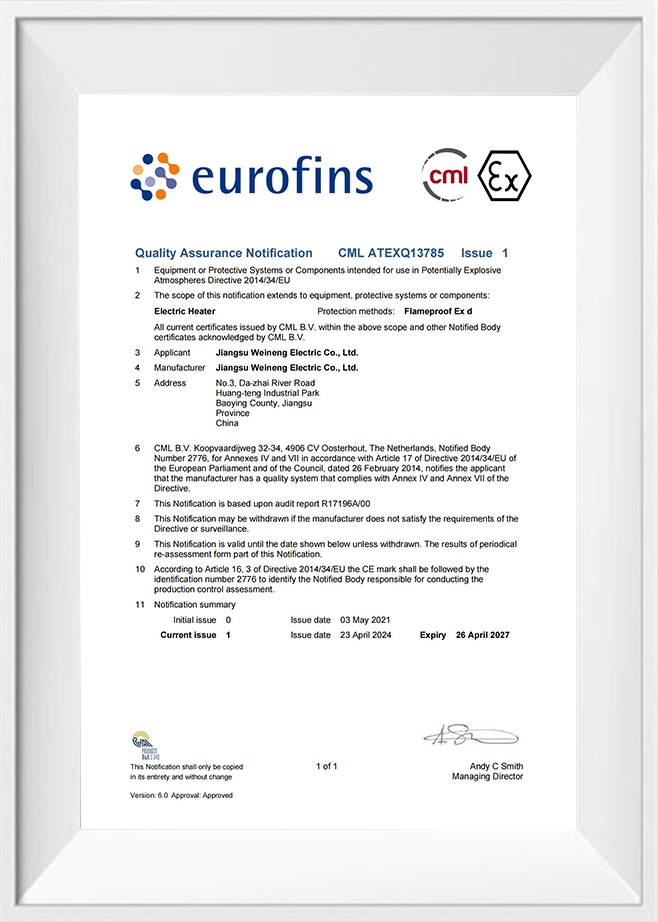
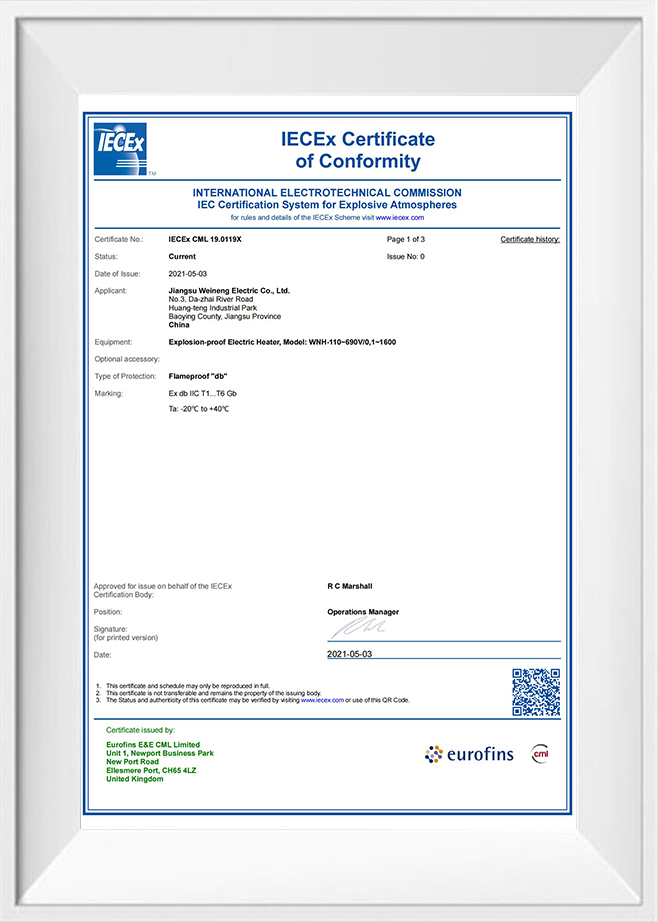
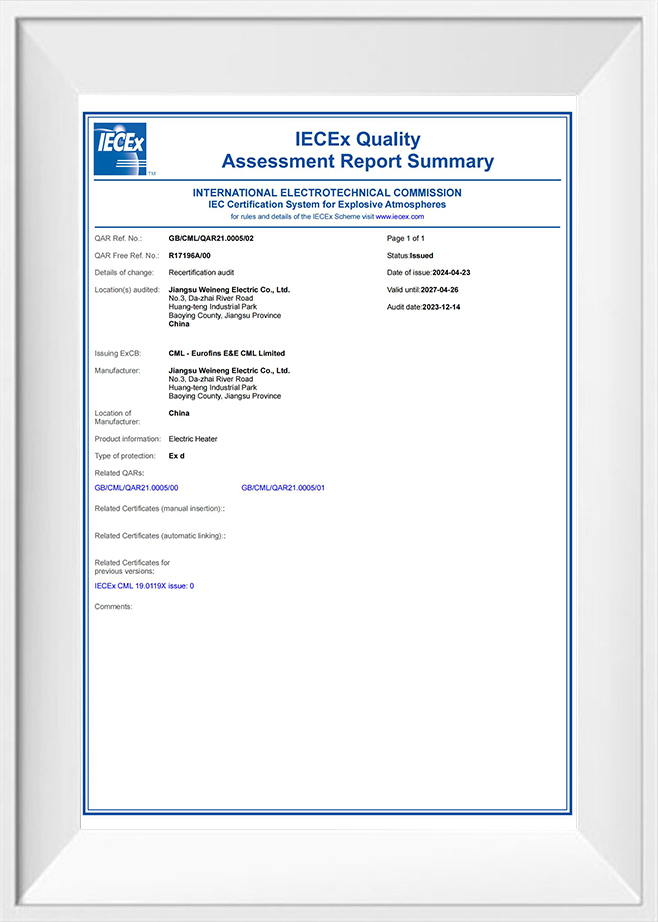
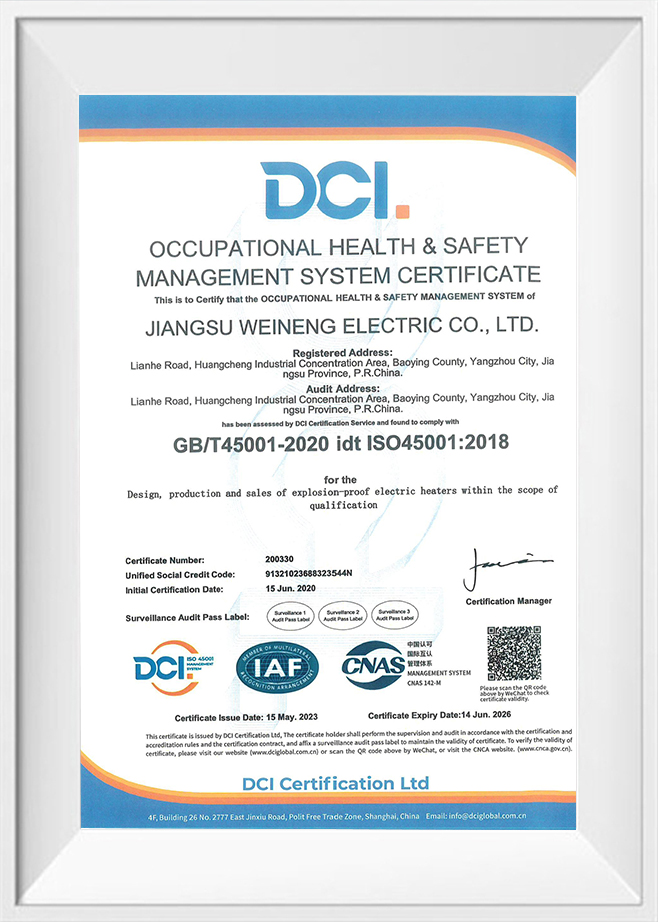
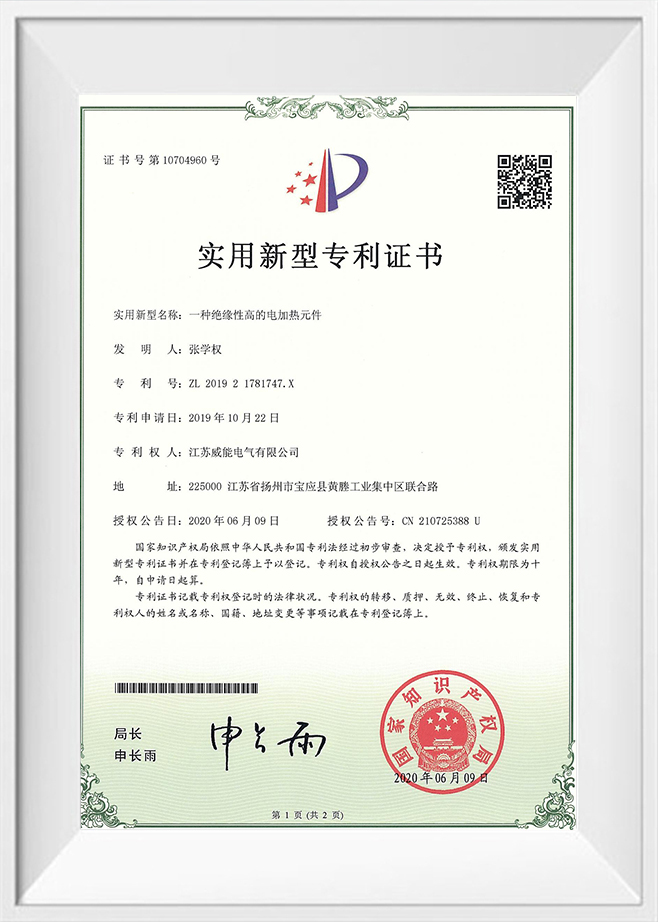
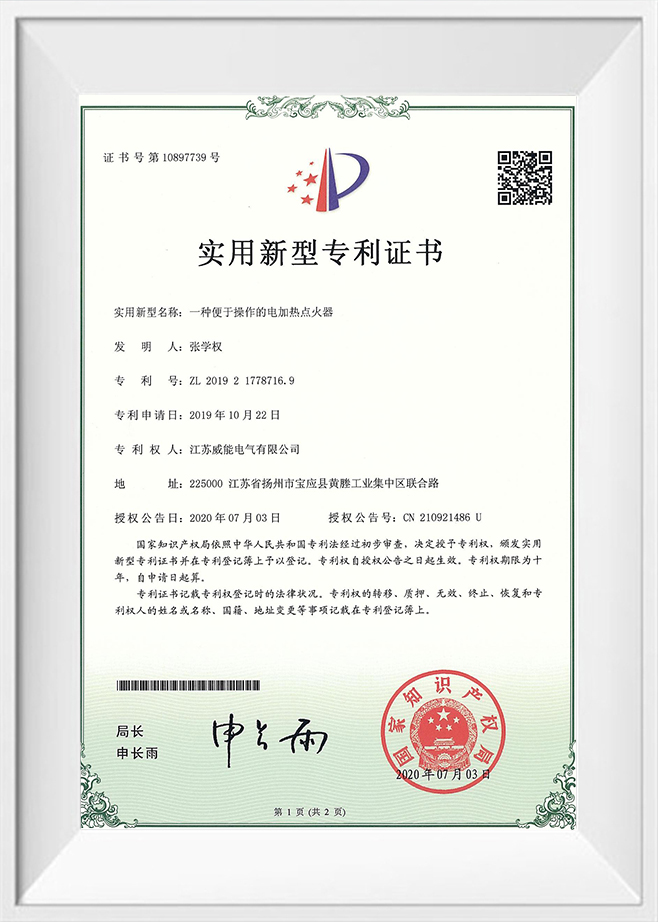
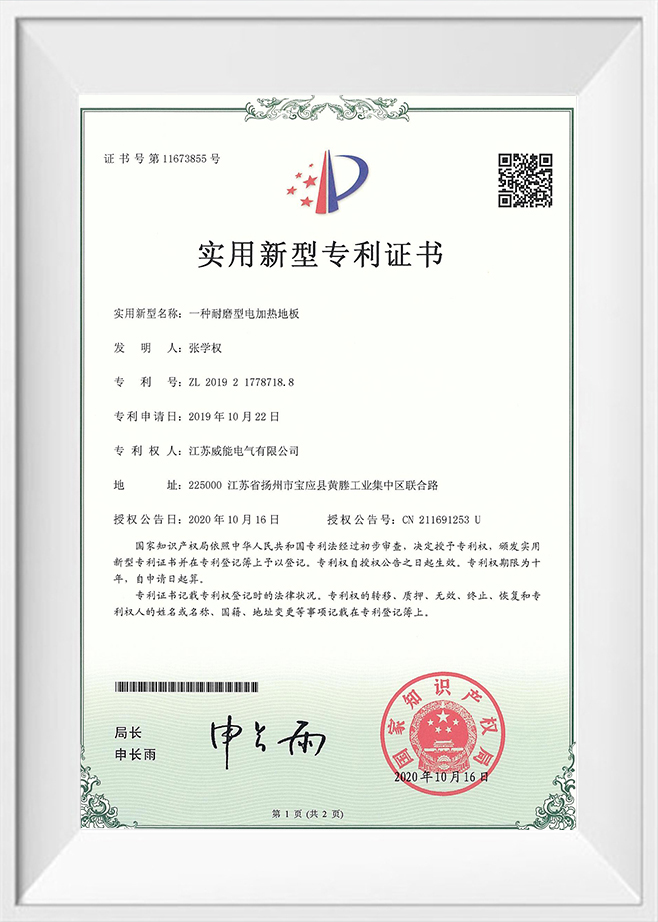
گواهینامه
شرکت جیانگسو Weineng Electric با مسئولیت محدود، که در ۲۳ آوریل ۲۰۰۹ تأسیس شد، یک تولیدکننده حرفهای در زمینه تحقیق، توسعه، تولید، فروش و خدمات بخاریهای برقی، کابلهای ردیابی حرارت برقی و سیستمهای کنترل برای صنعت است.
درباره ما
Jiangsu Weineng Electric Co.,Ltd
Jiangsu Weineng Electric Co.,Ltd که در ۲۳ آوریل ۲۰۰۹ تأسیس شد، یک تولیدکننده حرفهای در زمینه تحقیق، توسعه، تولید، فروش و خدمات بخاریهای برقی، کابلهای ردیابی حرارت برقی و سیستمهای کنترل برای صنعت است.
به عنوان چین تولیدکنندگان بخاری لولهای و کارخانه بخاری لولهای، ما در شهرستان بائویینگ، استان جیانگسو با دسترسی حمل و نقل مناسب واقع شدهایم. با تعهد به کنترل کیفیت دقیق و خدمات مشتری مدبرانه، کارکنان با تجربه ما همیشه برای بحث در مورد نیازهای شما و اطمینان از رضایت کامل مشتری در دسترس هستند. در سالهای اخیر، شرکت ما مجموعهای از تجهیزات پیشرفته از جمله دستگاه پرکن پودر، پمپ تست فشار برقی، تراش گیج، دستگاه جوش نقطهای LCD، کابین خشککن، دستگاه تمیزکننده، دستگاه سندبلاست خشک، خمکن لوله اتوماتیک، مولتیمتر دیجیتال، مقاومتسنج عایق، تستر مقاومت ولتاژ را معرفی کرده است. شرکت ما بر نوآوری فناوری اصرار دارد، ما ۳ استاد مهندسی و دهها مهندس جوان با تجربه غنی داریم که یک تیم مهندسی حرفهای تشکیل دادهاند. ما با دانشگاهها و آکادمیها برای تحقیق و توسعه محصول جدید همکاری میکنیم. علاوه بر این، ما گواهینامههای IECEx، ATEX، ISO را دریافت کردهایم. محصولات ما در تمام شهرها و استانهای چین به خوبی فروخته میشود. ما ارائه میدهیم سفارشی بخاری لولهای. محصولات ما همچنین به مشتریان در کشورها و مناطقی مانند خاورمیانه، آسیای جنوب شرقی، آمریکا و اروپا صادر میشود. ما همچنین از سفارشات OEM و ODM استقبال میکنیم. چه انتخاب یک محصول فعلی از کاتالوگ ما و چه جستجوی کمک مهندسی برای کاربرد خود، میتوانید با مرکز خدمات مشتری ما در مورد نیازهای تامین خود صحبت کنید.بازخورد پیام
اخبار اخیر
درباره اطلاعات نمایشگاه صنعتی ما و رویدادهای اخیر شرکت ما بیاموزید.
-
گواهینامه ATEX در مقابل IECEx: تفاوت های کلیدی برای خریداران ضد انفجار
شما در مقابل یک برگه مشخصات یک بخاری غوطهوری الکتریکی ایستادهاید که داخل مخزن حاوی حلال قابل اشتعال میرود. یکی از تامین کنندگان واحد را "دارا...14 -
ATEX در مقابل IECEx: تفاوت های کلیدی و نحوه انتخاب تجهیزات تایید شده برای مناطق خطرناک
هنگامی که یک بخاری الکتریکی را برای یک جریان فرآیند فرار مشخص می کنید، اولین سوال فنی که معمولا مطرح می شود این است که آیا باید دارای گواهینامه ...09 -
ATEX Certification Meaning: What It Means for Industrial Heating Equipment
You are standing in a chemical plant, reviewing a replacement immersion heater for a process vessel. The nameplate shows the marking II 2G Ex d ...01 -
ردیابی حرارت الکتریکی: انواع کابل، کاربردها و راهنمای انتخاب برای لوله ها و مخازن
When a process plant loses heat along a pipe run, the result is rarely a sudden failure. It is a gradual problem: a viscous fluid becomes harder...24 -
اندازههای گلند کابل توضیح داده شده: نمودارهای متریک و PG، نکات اندازهگیری و راهنمای انتخاب
چگونه اندازه غده کابل در واقع کار می کند یک مهندس یک گلند M25 برای یک کابل چهار هسته ای 10 میلی متر مربعی سفارش داد، اما متوجه شد که قطر خ...17
عناصر گرمایشی دانش صنعت
Understanding Heating Element Materials: How Composition Impacts Efficiency and Application Suitability
When it comes to the performance and reliability of any electric heating element, the choice of material is far from a trivial decision—it forms the backbone of how well the component will function under specific operational conditions. Whether it’s a tubular heater used in heavy-duty industrial machinery or a compact strip heater integrated into a home appliance, the internal structure and elemental composition are decisive factors in ensuring long-term thermal efficiency and mechanical durability.
The most commonly used materials in heating element manufacturing are nickel-chromium alloys, stainless steel, and ceramics. Nickel-chromium, often referred to as nichrome, offers excellent resistance to oxidation and maintains stable electrical resistance even at elevated temperatures. This makes it an ideal core for many electric heating elements, especially where uniform and high-temperature heating is required over extended periods. Meanwhile, stainless steel variants provide corrosion resistance and mechanical strength, making them suitable for humid environments or applications where exposure to chemicals is a concern.
Ceramic materials, although more fragile, serve an important role in certain specialized configurations, particularly where electrical insulation is critical or where radiant heating is preferred. Their insulating properties help prevent energy losses and support higher thermal efficiencies in compact designs. Advanced ceramics also allow for higher watt densities without compromising safety, which is crucial for modern systems that demand compactness without performance loss. These materials often appear in cartridge and infrared heating elements tailored for precise thermal control.
The selection process doesn’t end with just choosing between nichrome and stainless steel. Different grades and alloying elements can significantly impact performance characteristics such as maximum operating temperature, flexibility, resistance to thermal cycling, and even weight. For example, in high-vibration industrial environments, certain grades of stainless steel can reduce mechanical fatigue over time, preventing premature failure. Similarly, nickel-rich alloys offer better creep resistance, crucial in continuous-use applications like ovens, plastic processing, or chemical reactors.
A well-designed tubular heater, for instance, relies not only on its shape or structure but on the specific interaction between its sheathing material and the internal heating wire. This synergy determines how evenly heat is transferred and how efficiently the system can reach and maintain target temperatures. Materials with poor thermal conductivity or mismatched expansion rates can introduce hot spots or stress points, leading to reduced efficiency and potential safety risks. For customers seeking performance, longevity, and reduced downtime, understanding these material dynamics is an investment in smarter sourcing.
From a manufacturer’s perspective, material choice is also closely tied to regulatory compliance and customization potential. Applications in the food, medical, and aerospace sectors, for instance, require materials that meet strict hygiene or safety standards. As a result, we not only test our heating elements for operational reliability but also ensure our materials meet global compliance requirements. This blend of precision engineering and high-quality materials is what sets apart a dependable electric heating element from a short-lived or underperforming one.
The material composition of a heating element isn't just a technical detail—it's a critical factor that defines its performance, safety, and application range. Whether you're designing a new product or sourcing for an existing system, partnering with a knowledgeable supplier who understands material science can make all the difference. With over a decade of experience in manufacturing and customizing tubular heaters and other industrial heating solutions, we help businesses find the right material match for their specific thermal challenges.
